Health and Safety Policy for Shoreditch Removals
 Shoreditch Removals is committed to maintaining a safe, healthy, and well-managed working environment for employees, contractors, clients, and members of the public. This health and safety policy sets out the principles, responsibilities, and practical measures that support safe moving, lifting, transport, and storage operations. Our aim is to reduce risk, prevent injury, and ensure that every removal job is completed with care, attention, and professionalism.
We recognise that removals work can involve heavy lifting, awkward access, fragile items, traffic exposure, and changing site conditions. For that reason, our approach is based on risk awareness, planning, communication, and the consistent use of safe working methods. All staff are expected to take personal responsibility for safety while also supporting one another in maintaining a secure workplace.
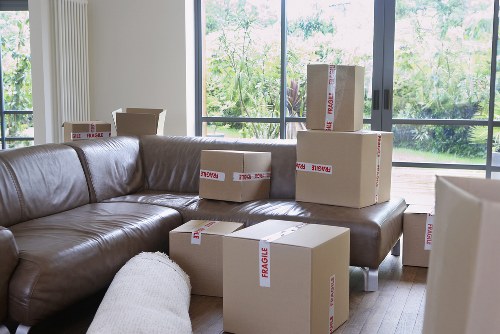 This policy applies to all removal services carried out under the Shoreditch Removals name, including domestic removals, business relocations, packing activities, loading and unloading, furniture handling, and temporary storage support. It also applies to the use of vehicles, lifting aids, protective equipment, and any tools or materials used during the removal process. Safety is not treated as a separate task; it is part of every stage of the service.
Management is responsible for establishing safe systems of work, providing suitable training, supplying appropriate equipment, and ensuring that employees understand their duties. Supervisors must assess work conditions before and during each job, especially where there are stairs, narrow corridors, poor lighting, uneven surfaces, or delicate objects. A proactive safety culture helps prevent incidents before they happen.
Employees and operatives must follow instructions, use equipment correctly, wear protective gear where required, and report hazards immediately. This includes reporting damaged packaging materials, unstable loads, faulty lifting aids, vehicle issues, or unsafe access routes. Everyone is expected to act carefully and responsibly to protect themselves and others.
 Before any move begins, an appropriate risk assessment should be carried out to identify hazards and determine control measures. The assessment may consider manual handling risks, trip hazards, sharp edges, weather conditions, lone working, and the safe movement of large or valuable items. Where necessary, additional controls such as extra staff, alternative loading methods, or route adjustments must be introduced.
Safe manual handling is a core requirement of the policy. Staff should avoid lifting loads that are too heavy, bulky, or awkward without assistance. Trolleys, dollies, straps, blankets, and other handling aids should be used wherever suitable. Team lifting must be coordinated clearly so that all movements are controlled, steady, and free from sudden strain. Proper posture and good communication are essential to reduce musculoskeletal injury.
Vehicles used for removals must be kept in safe, roadworthy condition and loaded evenly to minimise movement during transit. Drivers are responsible for observing traffic laws, checking load security, and allowing sufficient time for travel and parking. The vehicle interior should be arranged to reduce damage to property and to ensure that items do not shift unexpectedly during transport.
Protective equipment, including gloves, safety footwear, high-visibility clothing, and any task-specific equipment, should be used when required by the job or risk assessment. Protective materials such as wrapping, covers, floor protection, and corner guards should also be used to protect both goods and premises. Safe working is supported by preparation, good housekeeping, and the correct selection of equipment for the task.
In the event of an accident, near miss, or unsafe situation, staff must stop work where necessary and notify the appropriate supervisor without delay. Incidents should be recorded and reviewed so that lessons can be learned and future risk reduced. First aid arrangements, emergency procedures, and evacuation plans must be understood by relevant personnel before work begins.
 Training is an important part of our commitment to safe removals operations. Employees should receive instruction in manual handling, hazard recognition, safe vehicle loading, use of equipment, and emergency response. Refreshers should be provided when procedures change, new equipment is introduced, or work conditions require extra guidance. Competence must be maintained through supervision and ongoing review.
We also expect clients and other parties involved in a move to help support safe operations by giving accurate information about access, parking limitations, lift availability, fragile items, restricted areas, and any special risks. Clear communication allows the team to plan effectively and avoid unnecessary exposure to danger. Where conditions are unsuitable or unsafe, work may be delayed or adjusted to protect everyone involved.
Health and wellbeing are equally important. Removals work can be physically demanding, so rest breaks, hydration, sensible workload planning, and attention to fatigue are all important controls. Managers should remain alert to signs of overexertion or stress and take action where needed to protect staff welfare. A safe operation depends on both physical and mental readiness.
This policy will be reviewed regularly to ensure it remains effective, practical, and aligned with the needs of the business. Updates may be made in response to incidents, operational changes, equipment improvements, or feedback from safety reviews. Shoreditch Removals expects everyone involved in its services to support this commitment and uphold the standards set out here.
 By following this policy, Shoreditch Removals aims to deliver a reliable service while protecting people, property, and working conditions. Safety is a shared responsibility, and we believe that careful planning, clear communication, and consistent best practice are the foundations of a professional removals company.