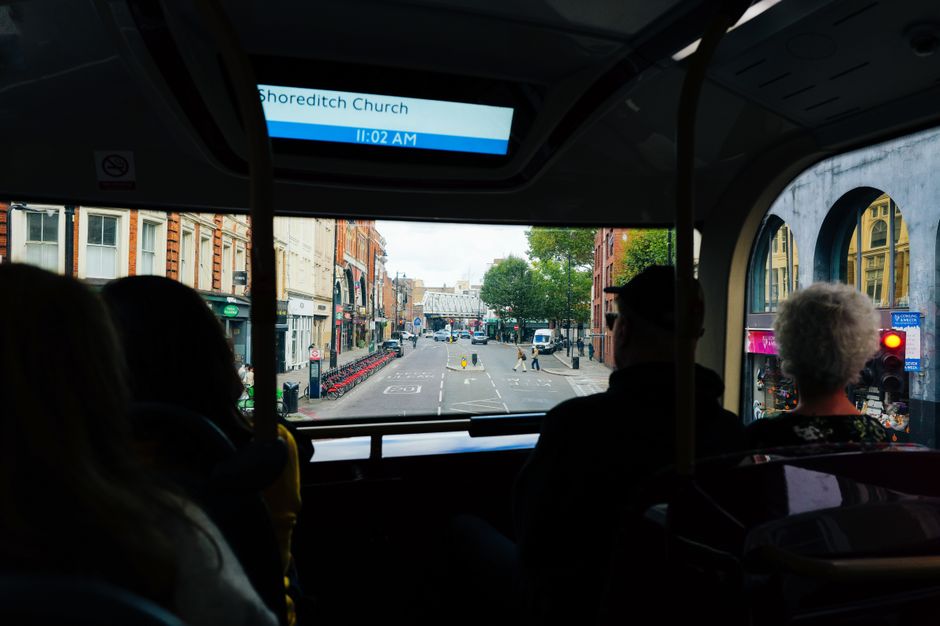
Shoreditch removals in Shoreditch

Shoreditch removals in Shoreditch should feel organised, careful and straightforward from the first enquiry to the last item placed in its new position. We handle house moves, flat moves and furniture removals with a practical approach that suits busy streets, narrow entrances and homes with mixed access. The aim is simple: move belongings safely, keep the process orderly and give customers a clear route to a well-planned quotation.
Our removal services cover everyday domestic moves, individual furniture pick-up, student moves and more structured relocations that need packing support or storage arranged alongside the move. We also work on smaller and larger jobs with the same focus on handling items properly, protecting surfaces and keeping each stage clear. If you are comparing options, our service pages can help you understand the differences between types of move before you request a quote.
The work is normally best planned around the access at each property, the volume of items and any pieces that need special handling. That can include dismantling where appropriate, carrying items down stairs, moving awkward furniture through tight hallways and deciding whether packing materials or an extra vehicle size will be useful. Tell us what needs moving, and we can help shape the right service. If you are ready, request a quotation.
Domestic removals and house moves

Home moving often starts with a straightforward list of the furniture, boxes and special items that need to travel together. Our home moves page covers domestic relocations where the main task is to move household contents in a way that is tidy, methodical and suited to the property layout. This can suit whole-house moves as well as situations where only a set of key rooms is being relocated.
For customers moving from one house to another, the detailed scope on our house removals page is helpful when the move involves more than a few pieces. It is useful to think about access, parking, stairs, fragile items and whether anything needs to be protected with covers or blankets. These practical points shape how the move is scheduled and what kind of vehicle or labour pattern is most suitable.
Domestic work is often easier when the move is divided into clear groups before the day itself. Common categories include wardrobes, beds, dining furniture, kitchen boxes, books, artwork and anything too awkward to stack with general household items. A clear inventory is useful, but it does not need to be complicated. A simple list of what is moving, what stays behind and what needs extra care can be enough to build a useful quotation.
Flats, apartments and shared buildings

Flat moves ask for a slightly different approach because of lifts, stairwells, communal entrances and neighbours using the same access routes. Our flat removals page is relevant where household contents must be carried through shared areas without causing avoidable disruption. In many flats, careful timing and tidy handling matter as much as the transport itself, especially when larger items need to be turned or guided through narrower routes.
When a move takes place in a building with limited parking or controlled entry, the sequence of loading becomes important. It helps to keep the heaviest items together, separate fragile boxes from general contents and identify anything that should be taken apart before the move. We can support those practical decisions without turning the process into a long checklist. The point is to make the work manageable and avoid rushed handling at either end.
Some flat moves are straightforward, while others need extra thought because of upper floors, tight corners or items that are difficult to carry safely by hand. In those situations, good planning can reduce delays and keep belongings in better condition. Clear labelling also helps if items need to be unloaded into different rooms rather than left in one central point. That small amount of organisation can make a noticeable difference on the day.
Packing support and protective materials
Packing is often the part of a move that takes longest, so many customers prefer to combine the transport with support for boxes and wrapping materials. Our packing and boxes page covers the basic supplies and packing preparation that can help protect belongings before they are loaded. Good packing is not only about quantity; it is about using the right size box or wrap for the item inside.
Where customers want help with the full preparation as well as the move itself, our packing and unpacking services page sets out a broader approach. That can be useful when the schedule is tight, when there are many breakable items or when the move would be easier if some room-to-room sorting is done in advance. It also helps when a property has several different item types that need to be grouped carefully.
Good packing generally means keeping weight sensible, using protection where surfaces could scratch and preventing empty space inside boxes from allowing items to move around. Books, kitchenware, ornaments and loose accessories all benefit from different treatment. If you already have boxes, we can still help review whether anything needs stronger protection, special wrapping or a separate note for handling. Careful preparation makes the moving stage more efficient and less stressful.
Furniture, specialist items and careful handling

Some moves centre on a few large or awkward items rather than an entire property. Our furniture removals page suits situations where sofas, beds, tables, wardrobes or similar pieces need to be lifted, protected and transported without unnecessary strain on the item or the building. Larger furniture can sometimes need temporary dismantling, especially where doorways or stair turns are tight.
For individual items, our furniture pick-up page is useful when a customer needs a specific collection rather than a full move. That may include a single item purchased elsewhere, a replacement piece arriving from storage or a larger object that needs a separate journey. The key is to match the handling to the item itself rather than treating every collection as the same type of job.
Specialist pieces may require a more considered approach. The piano removals page covers heavier, more delicate items that need controlled movement and sensible protection. Pianos are not ordinary furniture, so the route, weight and surfaces all matter. The aim is not speed for its own sake, but reliable handling that takes the item’s size and sensitivity seriously. If you have an unusual item, it is best to describe it clearly so the quotation reflects the work properly.
Commercial moves and office relocation support

Business moves need a different rhythm because desks, chairs, files, IT equipment and stock often have to be moved around trading or working schedules. Our office removals page is designed for workplaces that need premises cleared and re-established with as little confusion as possible. The emphasis is usually on order, safe handling and keeping essential items grouped so that they can be identified quickly at the new site.
For larger business transfers, the broader commercial moves page covers relocations where offices are only one part of the picture. It can suit mixed-use premises, retail stock movement or moves involving several types of equipment. If you are arranging a business relocation, it is worth thinking about what must be moved first, what can wait until later and which items need labels or separate handling.
Commercial removals often work best when the move is divided into zones or departments. That way, files, monitors, desks and boxed supplies can be unpacked in an organised order rather than being mixed together. A short written list of key items, access notes and any furniture that needs dismantling is often enough to start the quoting process. Keep the handover simple, and the move becomes easier to manage.
Storage, timing and short-notice arrangements
Not every move goes directly from one property to the next. Sometimes belongings need a temporary place while keys, completion dates or decorating work are being coordinated. Our storage page is relevant when items need to be held securely between stages of a move. Storage can be useful for a whole household, for overflow furniture or for items that you do not want to place immediately into the new property.
In some cases, timing matters more than the size of the move. Our same-day removals page reflects situations where the move needs to happen without much delay and the plan has to be kept especially tidy. Short-notice arrangements still depend on the same basics: accurate item details, access information and a practical understanding of what needs moving. They simply require those details sooner rather than later.
When arranging a move with storage or a tight schedule, it helps to group belongings by immediate priority. Items needed on the first night should be kept separate from furniture and boxes that can wait. That small distinction can make the transition between properties much easier. It also gives the quotation a clearer shape, because the work can be based on what must move immediately and what can be handled as a later stage.
How to prepare for a quotation
A useful quotation starts with enough detail to reflect the real work involved. That usually means the property types, the approximate number of rooms or items, any awkward access, and whether the move includes packing, dismantling or storage. Our pricing and quotes page is a sensible place to begin if you want to understand how the estimate is put together before you contact us. Clear information generally leads to a clearer proposal.
When you enquire, it helps to mention heavy or fragile items, if lifts are available, and whether parking or waiting restrictions could affect loading. If you have photographs, they can support the written details, but they are not the only way to explain the job. A short list works well too. Accuracy matters more than length, so a concise description of what is moving is often enough to start.
For many customers, the best next step is to gather the essentials and ask for a quotation rather than trying to plan every detail alone. That approach keeps the process practical and avoids unnecessary back-and-forth. You can also use the commercial pages to compare the main types of move. If you are ready to proceed, contact us for a quotation and tell us what needs moving.
About Shoreditch
Shoreditch is an inner district of East London that sits within the wider borough of Hackney, with parts extending into neighbouring administrative boundaries depending on how the area is defined. Historically, it developed from a medieval settlement around Shoreditch Church and later became known for theatre, industry and migration-linked change. Over time, the district shifted from manufacturing and warehouse uses into a place associated with creative industries, small businesses and dense urban living. Its streets show layers of that history in the form of converted warehouses, terrace housing, former workshop buildings and newer developments set among older fabric. The area’s street pattern includes long east-west routes and smaller side roads that still reflect earlier patterns of movement and development. Shoreditch High Street and nearby transport links connect it with central London and the wider East End, while the boundaries around the district remain part formal and part commonly understood. Brick Lane lies close by and is often associated with markets, food culture and the layered history of immigration in the area, while nearby parks and open spaces offer a contrast to the built-up streets. The cultural profile of Shoreditch has also been shaped by galleries, music venues, independent shops and public art, including street art that changes frequently and contributes to the district’s visual character. Even as redevelopment has continued, the area retains a mix of commercial, residential and cultural uses that gives it a distinctive urban identity.
Removal planning for different property types
One of the most useful ways to approach a move is by separating the property into what must be protected, what can be stacked and what needs special treatment. That applies to every part of the job, from the first box packed to the last chair unloaded. Our removals page provides a broader view of the core service for customers who want a general moving solution without narrowing the job to one single category too early.
People sometimes prefer a lighter arrangement based around vehicle hire and manual loading, while others need a more fully managed move. Our man and van page and the closely related man with a van page are useful if you are comparing those kinds of transport-led options with a more structured removal service. These pages can help you decide whether a simpler collection style or a fuller move is the better fit for the job in hand.
If the move involves a mix of furniture, boxes and a few awkward items, the right choice is usually the one that balances capacity, protection and the time required at each end. No two moves are identical, and the practical details matter. That is why a short and honest description of the items, access and preferred timing is the most useful starting point. Good planning is less about complexity and more about clarity.
Final steps and useful service choices
For some customers, the final decision is about whether to combine the transport with packing, whether to include storage or whether to arrange a service that focuses on large items only. The student removals page may suit smaller moves with lighter contents, while the office relocation services page is more suitable for business moves that need a broader relocation plan. Choosing the right page helps narrow the service to the kind of move you actually need.
It is also worth remembering that quotations are most useful when they reflect the real scope of the move rather than a general estimate. A clear start date, the main items involved and any limitations at the properties give the best basis for a practical proposal. If you are unsure which service page fits your move, use the broader options first and then refine the request with a short description of the load. That is usually the quickest route to a sensible plan.
Whether you are moving a home, a flat, a workplace or a single piece of furniture, the aim is the same: keep the process orderly and protect what matters. Review the pages that match your move, decide which extras you need, and then ask for a quotation. If you are ready to take the next step, use the contact details on the site and send your move information today.