Old Street to Hoxton moving routes for Shoreditch removals
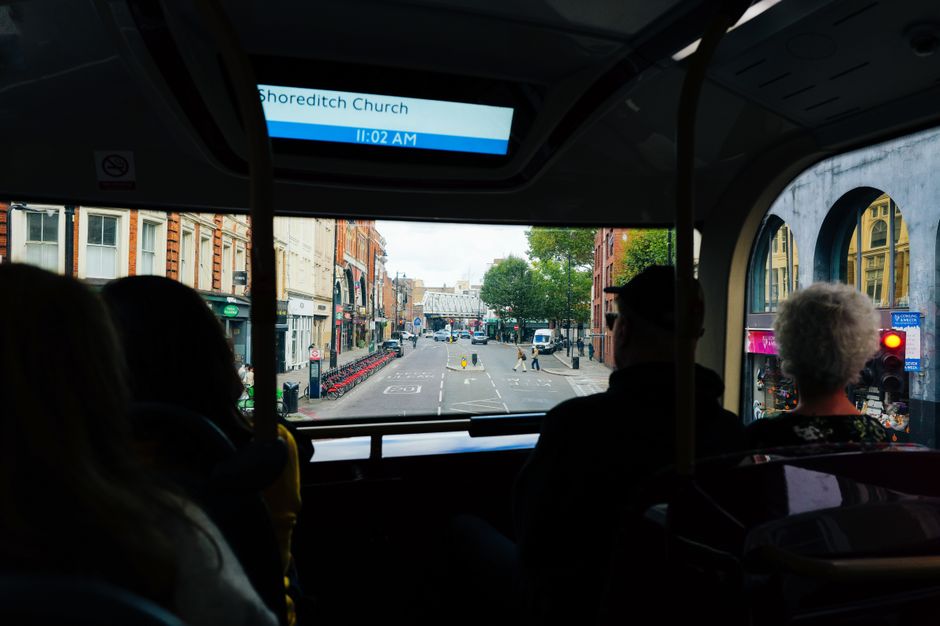
If you are planning a move across Shoreditch, the route between Old Street and Hoxton can look deceptively simple on a map. In real life, though, it is a different story. Busy junctions, one-way streets, loading restrictions, cycle lanes, tight pavements, and the general London habit of throwing a small surprise into every journey can all affect a removal day. This guide to Old Street to Hoxton moving routes for Shoreditch removals breaks down how local moves actually work, what slows them down, and how to plan a smoother, safer move without unnecessary stress.
Whether you are moving a studio flat, shifting office kit, or arranging a same-day collection, the aim is the same: get from A to B with as little fuss as possible. That sounds simple. It rarely is. But with a sensible route plan, the right vehicle choice, and a clear loading strategy, it becomes much easier than most people expect.
Below, you will find practical advice, route considerations, common mistakes, a useful comparison of moving methods, and a realistic checklist you can follow the day before the van arrives.
Why Old Street to Hoxton moving routes for Shoreditch removals Matters
Old Street and Hoxton sit close together, but the short distance can hide a lot of logistical friction. That is exactly why route planning matters. A move across this part of London is not only about travel time; it is about access, timing, parking, and the shape of the streets themselves.
In Shoreditch, even a half-mile move can take longer than expected if the van has to circle for loading space, reverse into a narrow side road, or wait behind deliveries near a busy commercial frontage. You may also be dealing with basement flats, upper floors without lifts, or buildings where entry access is shared with cafes, studios, and residents all at once. Truth be told, this is where many moves lose time: not on the road, but at the kerb.
For nearby routes like Old Street to Hoxton, the smartest approach is to treat the move as a sequence of small decisions rather than one big trip. Which side of the building has the better access? Is the van better off arriving early to secure space? Would a smaller removal van be easier than a larger truck? These details sound minor. They are not.
If you are comparing service levels, it can help to review broader support options such as removal services or more specialist help like flat removals when access is tight and stairs are part of the story. For furniture-only moves, a dedicated furniture removals approach may be more efficient than booking a full house move.
How Old Street to Hoxton moving routes for Shoreditch removals Works
At a basic level, the route itself is short. The practical challenge is how that route interacts with London conditions. A removal vehicle may need to navigate one-way systems, traffic flow near major junctions, cycle-heavy streets, and occasional roadworks. Even when the map says the journey is quick, the loading and unloading stages can dominate the schedule.
The process usually works best in three stages:
- Pre-move assessment. Check the start and end addresses for stairs, access widths, parking options, lift availability, and any obvious restrictions. This is where a careful mover saves time later. A quick chat on the phone can avoid a lot of unnecessary faffing around.
- Route and vehicle matching. A smaller van is often more practical in dense Shoreditch streets, especially where parking is limited or the delivery point is on a narrow road. A larger truck may be useful for bigger loads, but only if access allows it.
- Timed loading and unloading. Arriving at the right moment matters. If the road is calmer early in the morning, that may be the best slot. If the building or street has busier periods later in the day, adjust accordingly.
In practice, people moving between Old Street and Hoxton often do better with a flexible schedule rather than a rigid, one-size-fits-all plan. A good local mover will think in terms of access windows and street conditions, not just distance.
It is also worth deciding how much packing support you need. If boxes are not ready or fragile items need careful handling, packing and unpacking services can take a lot of pressure off the day itself. Nobody enjoys trying to tape up a lamp at 7:30am while the kettle is still half-unpacked.
Key Benefits and Practical Advantages
Local route planning may not sound exciting, but it delivers some very real advantages. The first is predictability. When the route and access points are properly assessed, the move is less likely to stall in the middle of the day. That gives you a clearer schedule and, usually, a calmer experience.
The second benefit is cost control. Short moves can still become expensive if a vehicle is the wrong size, extra trips are needed, or loading takes far longer than expected. A sensible route plan helps you match the job to the vehicle and avoid wasted time. If you are comparing budget options, it is worth looking at transparent pricing and quotes before you commit.
The third benefit is reduced risk. Tight streets and urban access points can be hard on furniture, floors, and door frames. Choosing the right route and parking position reduces the number of awkward lifts and sharp turns. That is especially useful with heavier pieces or delicate items.
Other practical advantages include:
- Better timing: fewer delays caused by traffic, loading conflicts, or access confusion.
- Less lifting strain: a short, direct walk from van to door can make a surprising difference.
- Fewer surprises: you know where the vehicle can stop and how long it can stay there.
- More control over breakables: route planning often goes hand in hand with better packing discipline.
For some moves, especially office relocations or mixed-use premises, route planning also helps you minimise disruption to neighbours, customers, or colleagues. A business move can feel like a small military operation if it is not organised. A little structure goes a long way.
Who This Is For and When It Makes Sense
This route-focused approach makes sense for anyone moving within Shoreditch, especially if the journey starts near Old Street and ends in Hoxton or vice versa. It is particularly helpful for:
- Flat and apartment movers dealing with stairwells, lift bookings, or limited entrance space.
- Students and young professionals moving smaller loads on tighter budgets.
- Office teams relocating equipment, chairs, and boxed records between nearby premises.
- Landlords and tenants coordinating end-of-tenancy clear-outs or handovers.
- People moving a few bulky items who do not need a full household removal.
If you only have a sofa, bed, wardrobe, and a handful of boxes, a man with van option may be enough. If your move is larger or involves multiple floors, a more structured solution such as house removals or office removals could be more sensible.
It also makes sense when timing matters. Same-day relocations, end-of-month deadlines, and sudden tenancy changes all benefit from a route that has been thought through in advance. Let's face it, the last thing you want on moving day is to realise the van cannot park anywhere near the entrance.
Step-by-Step Guidance
Here is a practical way to plan Old Street to Hoxton moving routes for Shoreditch removals without overcomplicating things.
1. Walk the route mentally before the day
Start with the actual addresses. Look at the building type, the street width, and whether there is obvious loading space. Check if either property sits on a busier road or a quieter side street. A two-minute look at the surroundings can be worth more than a dozen assumptions.
2. Measure the awkward bits
Doorways, stair landings, lift sizes, and hallway turns matter more than people think. If you are moving a wardrobe, a desk, or a large table, a tight corner can become the real bottleneck. A tape measure and a bit of patience usually do the trick.
3. Decide on the vehicle size
The right vehicle depends on volume and access. A smaller van may make the route easier if parking is scarce. A larger vehicle can reduce trips, but only if it can stop safely and legally nearby. If you are unsure, speak through the load honestly rather than guessing.
4. Choose loading order carefully
Put the most fragile or most frequently needed items last in the van so they are easier to reach. Heavy items should be secured low and close to the bulkhead where possible. If you are mixing household and office goods, keep categories separate so unpacking does not turn into a scavenger hunt.
5. Build in a small time buffer
Short London moves can still be delayed by traffic, parking, or building access. A little buffer protects you from a chain reaction of stress. Even fifteen or twenty minutes can change the feel of the day.
6. Protect floors and furniture on arrival
Use blankets, straps, covers, and clear paths into the property. Clean, dry hallways and sensible carrying routes reduce damage and make the move feel more controlled. It is one of those boring steps that saves a lot of hassle later.
If your schedule is tight, a same-day removals service may be worth considering. For larger loads, you might also look at moving truck support or a more adaptable removal van arrangement.
Expert Tips for Better Results
Small choices make a big difference on local Shoreditch moves. Here are the tips that consistently help.
- Book the earliest workable slot. In busy urban areas, mornings are often calmer. You are more likely to find a better parking position and fewer passing interruptions.
- Keep a second access plan. If the preferred loading point is blocked, have an alternative ready. The backup route is often the thing that saves the day.
- Label boxes by room and priority. "Kitchen - first night" is more useful than "miscellaneous." Very obvious, but people still skip it.
- Separate essentials from the main load. Keep documents, chargers, medication, keys, and a change of clothes with you.
- Ask about insurance and handling standards. Reputable movers should be clear about how they protect items in transit. If you want extra reassurance, review insurance and safety before booking.
- Use a smaller vehicle if the street is narrow. More trips can be better than one impossible arrival.
A practical observation from local moves: what feels like a slight inconvenience beforehand often becomes the main delay on the day. So, if you think the door will be tight or the parking space questionable, assume it will matter. Prepare for it.
And yes, if you are moving during a drizzly London morning, keep a towel in the van. It is not glamorous, but it helps.
Common Mistakes to Avoid
The biggest mistakes on short Shoreditch moves tend to be surprisingly ordinary. The trouble is, ordinary mistakes still eat time and money.
- Assuming the route is simple because the distance is short. Short does not always mean easy.
- Booking a vehicle that is too large. A van that is difficult to park can become a bigger problem than a slightly smaller one with an extra run.
- Ignoring loading restrictions. If you cannot stop safely, your carefully planned schedule starts wobbling.
- Leaving packing until the last minute. This causes last-second decisions, and last-second decisions are rarely the good ones.
- Forgetting building access details. Lift bookings, concierge instructions, codes, and keys should be ready well before arrival.
- Mixing fragile items with heavy boxes. This is how small problems become broken ones.
One more common issue: people often underestimate how much time small items take. Loose lamps, mirrors, chair legs, picture frames, cable bundles, random shelves... they multiply quickly. Before you know it, the van looks like the back room of a very ambitious jumble sale.
Tools, Resources and Recommendations
You do not need fancy equipment to plan a local move well, but a few basic tools make life easier.
- Tape measure: for doors, hallways, lifts, and awkward furniture.
- Marker pens and labels: keep room names and priority levels visible.
- Furniture blankets and straps: protect surfaces and stabilise larger items during transit.
- Sturdy boxes and tape: better than relying on supermarket leftovers that collapse at the worst possible moment.
- Phone photos: useful for documenting furniture condition, access points, and room layouts before the move.
For additional support, you may want to compare broader moving solutions such as man and van, removals, or home moves depending on the size and complexity of your job. If you are shifting a few heavy pieces and not much else, the right option may be quite different from a full flat relocation.
Some people also benefit from temporary holding space if move-out and move-in dates do not line up neatly. In those cases, storage can remove a lot of pressure. That simple gap between dates? It can be the difference between a calm move and a very frantic one.
Law, Compliance, Standards, or Best Practice
For local removals in London, the legal and practical side of the move is mostly about safe vehicle operation, parking rules, property access, and reasonable care with people's belongings. The exact requirements can vary by street, building, and local conditions, so it is wise to confirm access arrangements in advance rather than rely on guesswork.
Best practice usually includes:
- Using lawful parking and loading arrangements wherever possible.
- Checking building rules for lift reservations, service entrances, and moving hours.
- Handling items safely to reduce the risk of damage or injury.
- Keeping clear communication between the customer, mover, and building contact.
If you are comparing providers, it is sensible to review their written policies on health and safety policy, terms and conditions, and payment arrangements through payment and security. Those pages should help you understand how the service is run and what standards to expect.
For environmentally conscious moves, you may also want to look at recycling and sustainability. Reuse, donation, and responsible disposal are often the better route for unwanted items than simply binning everything. Quite apart from the environmental side, it tends to make the move feel cleaner and less cluttered.
Options, Methods, or Comparison Table
Different move types need different approaches. Here is a simple comparison to help you choose the most practical method for Old Street to Hoxton moves in Shoreditch.
| Method | Best for | Strengths | Watch-outs |
|---|---|---|---|
| Man with van | Small flats, a few bulky items, quick local trips | Flexible, often economical, easier in narrow streets | May need multiple runs for larger loads |
| Removal van | Medium moves, mixed household items, short-notice jobs | Good balance of capacity and manoeuvrability | Parking and access still need careful planning |
| Moving truck | Larger moves, bulk furniture, bigger household loads | More capacity, fewer trips | Can be awkward on tight streets or limited loading areas |
| Full removals service | Whole flats, multi-room homes, complex access | Most support, less stress, more structured handling | Usually more expensive than basic transport-only options |
There is no universal winner here. The right choice depends on volume, access, time pressure, and how much lifting you want to do yourself. If you are moving from a compact Shoreditch flat with tricky stairs, a man with a van service can be ideal. If your move is more substantial, a commercial moves or office-focused service may be more appropriate.
Case Study or Real-World Example
Here is a realistic example based on the kind of move people make around this area.
A couple moved from a second-floor flat near Old Street into a one-bedroom place in Hoxton. On paper, it was a straightforward local shift. They had six medium boxes, a bed frame, a mattress, a dining table, two chairs, and a sofa. The problem was not the inventory; it was the access. The original building had a narrow entrance and a stairwell that bent just enough to make the sofa awkward.
Instead of using a large vehicle, they chose a smaller van and booked an early morning slot. They packed the boxes in room order, separated the fragile items, and cleared the hallway the night before. On the day, the move went faster than expected because the van could stop closer to the entrance and the team did not waste time rethinking the load.
The interesting bit? The whole move felt calmer simply because the route and access had been thought through. No heroic effort. No dramatic last-minute scramble. Just a small, sensible plan and a good fit between the vehicle and the street. That is usually what a successful local move looks like.
Practical Checklist
Use this checklist before your move between Old Street and Hoxton.
- Confirm both addresses, including flat numbers and entry details.
- Check whether either building needs lift booking or access approval.
- Measure large furniture and the tightest doorways or stair turns.
- Decide whether a van, truck, or full removals service is the best fit.
- Label boxes by room and priority.
- Pack an essentials bag with keys, chargers, documents, medication, and snacks.
- Protect breakables with proper packing materials.
- Review parking and loading options near both properties.
- Allow extra time for traffic, access issues, or weather.
- Keep contact details handy for the driver or moving team.
Expert summary: the best Old Street to Hoxton moving route is usually the one that matches your access, your load size, and your timing, not just the shortest line between two postcodes. A small amount of planning saves a surprising amount of stress.
Conclusion
Old Street to Hoxton moving routes for Shoreditch removals are all about practical judgement. The physical distance may be short, but the route can still be affected by parking, loading, building access, and the daily pace of Shoreditch itself. If you plan the route carefully, choose the right vehicle size, and pack with access in mind, the move becomes much more manageable.
The main idea is simple: think beyond the map. Think about the street, the doorways, the timing, and the load. That is where smoother moves are made. And once those pieces are in place, the whole day tends to feel lighter, even if you are carrying a sofa up two flights of stairs.
If you are comparing options, browsing service details, or just trying to work out the best next step, take a calm approach and choose the setup that fits your property and your schedule. A good move does not need to be dramatic. It just needs to be well planned.
Get a free quote today and see how much you can save.
Frequently Asked Questions
What is the best vehicle for an Old Street to Hoxton move?
The best vehicle depends on your load and access. A smaller van often works well for narrow streets and compact flat moves, while a larger truck is better for bigger loads if parking and access are straightforward.
How long does a short Shoreditch move usually take?
It depends less on distance and more on access, packing, and parking. A short move can still take most of a morning if there are stairs, waiting time, or limited loading space.
Is a man with van service enough for a flat move?
Often, yes, if you are moving from a studio or one-bedroom flat and do not have an unusually large amount of furniture. If there are many bulky items, a more complete removals service may be better.
Do I need to book parking for a Shoreditch removal?
Sometimes, yes. It depends on the street and the local restrictions. Even when formal parking is not required, it is still sensible to plan where the vehicle can stop safely and legally.
What should I do if my building has a narrow staircase?
Measure the tight points before moving day and flag them early. If a sofa or wardrobe looks awkward on paper, it probably will be awkward in real life too.
Can removals between Old Street and Hoxton be done the same day?
Yes, same-day moves are often possible for short local jobs. The key is clear access, realistic packing, and a service that can work within the timing you need.
How do I reduce damage during a local move?
Use proper packing materials, protect furniture with blankets or covers, and keep fragile items separated from heavier boxes. Also, make sure the route in and out of the property is clear.
What is the difference between removal services and man and van?
Man and van is usually a simpler transport-focused option, while removal services can include more support such as loading, handling, and a more structured move. The right choice depends on the size and complexity of the job.
Should I choose a bigger van to finish the move in one trip?
Not always. A larger vehicle can be useful, but if it is difficult to park or manoeuvre near your property, it may slow things down more than it helps.
What if I have a few items to store between moves?
If your move-out and move-in dates do not line up neatly, storage can be a practical bridge. It is often less stressful than trying to force everything into one rushed day.
How far in advance should I arrange a Shoreditch removal?
For straightforward local jobs, a little notice is still better than none. If you are moving at month-end, on a weekend, or during a busy period, booking earlier gives you more choice and a calmer schedule.
Where can I find more information about the company and service standards?
You can review details such as the company background, safety standards, pricing approach, and policy pages on the website to get a clearer picture before you book. That sort of checking is boring, maybe, but it is smart.